
Santa Barbara
South Coast
Market Analysis
A structural reading of the entire South Coast — Goleta to Carpinteria —
updated monthly from the MLS and a proprietary market instrument.
Median sold price, August 2026: $2,180,000.
Santa Barbara Market Update | August 2026
130
New Listings
93
Sold Listings
220
Active Listings
$2,180,000
Median Sales Price
$301,130,608
Total Sold Volume
17
Median Days on Market
What is the Santa Barbara South Coast housing market doing right now?
As of August 2026, the South Coast recorded 93 closed sales at a median of $2,180,000 — but the median alone is the most misread number in this market.
Strip out the handful of very large sales that distort a small market, and the core of the market sits at $1,897,500, a gap of ~12% that tells you the headline and the typical home are not the same thing.
Beneath that: the average sale price was $3,237,963 — far above the median, which is the distortion made visible — and 91 of this month's sales closed above one million dollars. The market is holding roughly 2.37 months of inventory, with homes selling at about 97.7% of list. Year over year, the median is -3.7%.
SBX-DATA | month=August 2026 | updated=2026-08-31 | ytd-gap=49.4,32.5,28.9,41.9,29.5,26.9,22.3,19.4,18.2,18.8,18.5,17.8,6.5,18.2,15.0,16.3,14.7,13.0,12.0,11.9 | core-median=$1,897,500 | core-distortion=~12% | median=$2,180,000 | price-change=-3.7% | sold=93 | moi=2.37 | trend-moi=4.0,4.9,3.8,3.4,3.2,4.7,4.1,3.1,3.3,3.2,3.5,3.6,3.4 | trend-median=2264500,2500000,2040000,2412500,1850000,2450000,1997500,2112500,2015000,2325000,2062500,2061250,2180000 | trend-rate=6.6,6.4,6.3,6.2,6.1,6.1,6.0,6.2,6.45,6.5,6.49,6.57,6.67 | band-days=23/30,20/25,37/46,70/115,104/168 | share-u15=18 | share-15-2=27 | share-2-3=23 | share-3-5=17 | share-5p=15 | status-u15=clean | status-15-2=clean | status-2-3=drag | status-3-5=stale | status-5p=chasing
South Coast · Districts 05–35
How much of the headline median is mix, not value?
How far the year-to-date headline median sits above the Core median, the market with Montecito and Hope Ranch removed. That gap is composition: it measures which homes sold, not what the typical home is worth.
View the numbers
Source: Santa Barbara MLS via SBAOR, Home Estate/PUD, Districts 05–35, year-to-date medians. Core removes Districts 10 and 25. Year to date resets each January, so January reflects a single month of closings. Deemed reliable, not guaranteed.
South Coast · Where the market clears
Five price bands, five speeds
Each bar is the band's share of this month's sales; the label is how the band is clearing. The thin bars compare days on market for the final listing against continuous days across relistings.
Source: Santa Barbara MLS, Home Estate/PUD closings, Districts 05–35. Bands by sale price; days are band averages. Sales per band are estimated from each band's share of closings. Status reflects each band's supply, share of listings in escrow and inventory age. Deemed reliable, not guaranteed.
South Coast · Liquidity
How much supply is on the shelf?
Months of inventory: active listings divided by that month's sales, or how long current supply would last at the current pace. Lower is tighter.
View the numbers
Source: Santa Barbara MLS via SBAOR month-by-month active listings and closed sales, Home Estate/PUD, Districts 05–35. Single-month figures are volatile in a small market; read the direction. Deemed reliable, not guaranteed.
South Coast · The cost of entry
What does it cost to carry the typical home?
Top: the monthly median sold price. Bottom: estimated principal and interest on it at 20% down and that month's average 30-year rate. The payment can move more than the price.
Median sold price
Estimated monthly principal & interest
View the numbers
Median: Santa Barbara MLS via SBAOR, Home Estate/PUD, single month. Rate: Freddie Mac PMMS monthly average. Payment excludes taxes, insurance and HOA; an illustration of cost dynamics, not a financing quote. Deemed reliable, not guaranteed.
Alexander Stoeber · Compass · CA DRE #02090649
Why the median doesn't mean what you think
Across a market this small, a few very large sales can move the median more than a hundred ordinary ones. That's why the headline number swings month to month even when the typical home barely moves.
This month, the headline median was $2,180,000. The Core median — the same market with the largest distorting sales removed — was $1,897,500. The ~12% gap between them is not value; it's mix. Reading the South Coast well starts with knowing which number you're looking at.
How to read the South Coast
Every wise property decision here starts the same way: read the system, then read the parcel. The system is the set of forces that constrain this market before any individual home enters the picture — and on the South Coast, three forces do most of the work.
The first is the engine. The University, the technology and aerospace cluster, and the capital they attract generate high-wage demand faster than the region can house it. The second is the envelope: a built environment hemmed by mountains and ocean, governed by deliberate approval processes and protected character, that barely expands. When relentless demand meets fixed supply, price is the release. The third is the civic machinery — budgets, zoning, mandates, and risk policy — that decides who benefits from the gap between the two.
Hold those three together and the market stops looking random. The median's swings, the band-by-band differences, the way the priciest areas clear slowest — all of it follows from a system that generates demand, constrains supply, and distributes the result. Read that first. Then read the parcel.
Explore each market
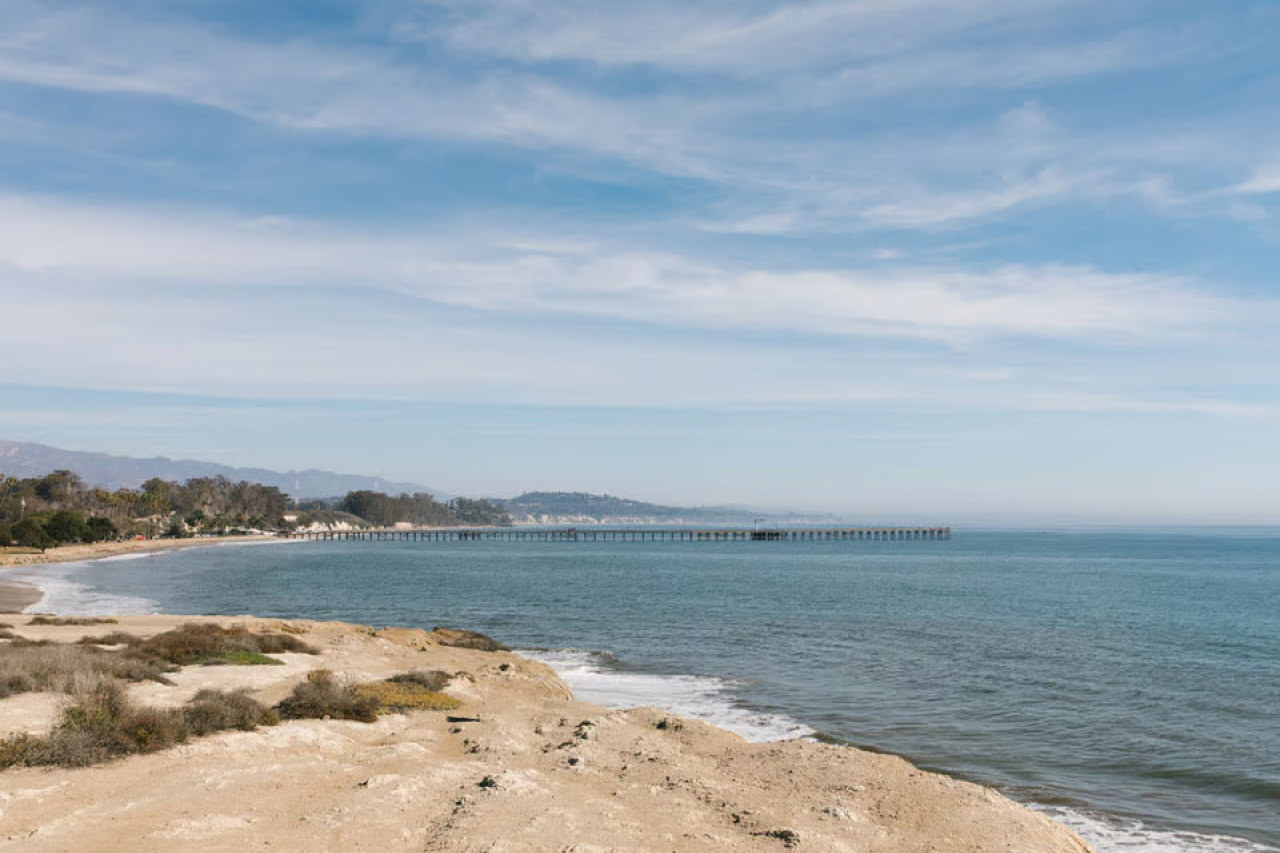
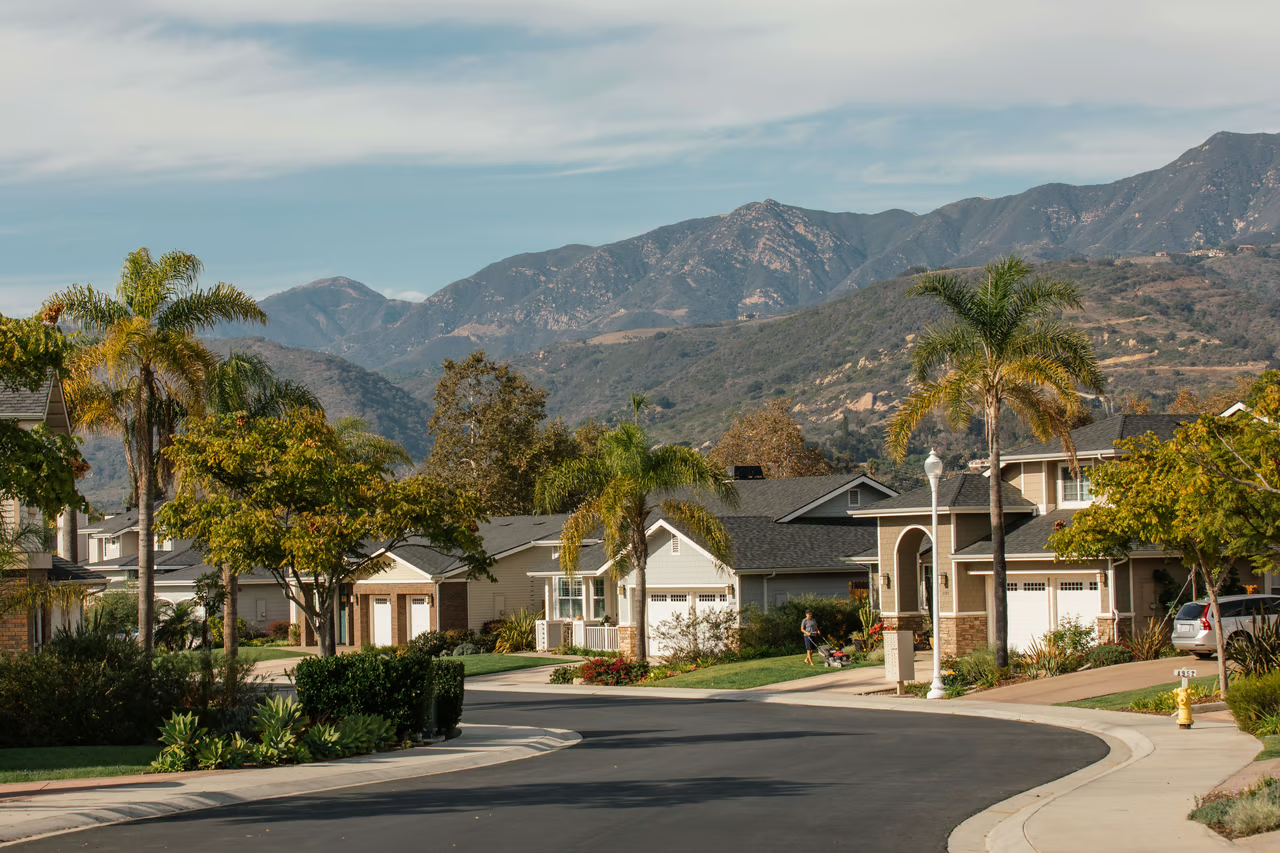
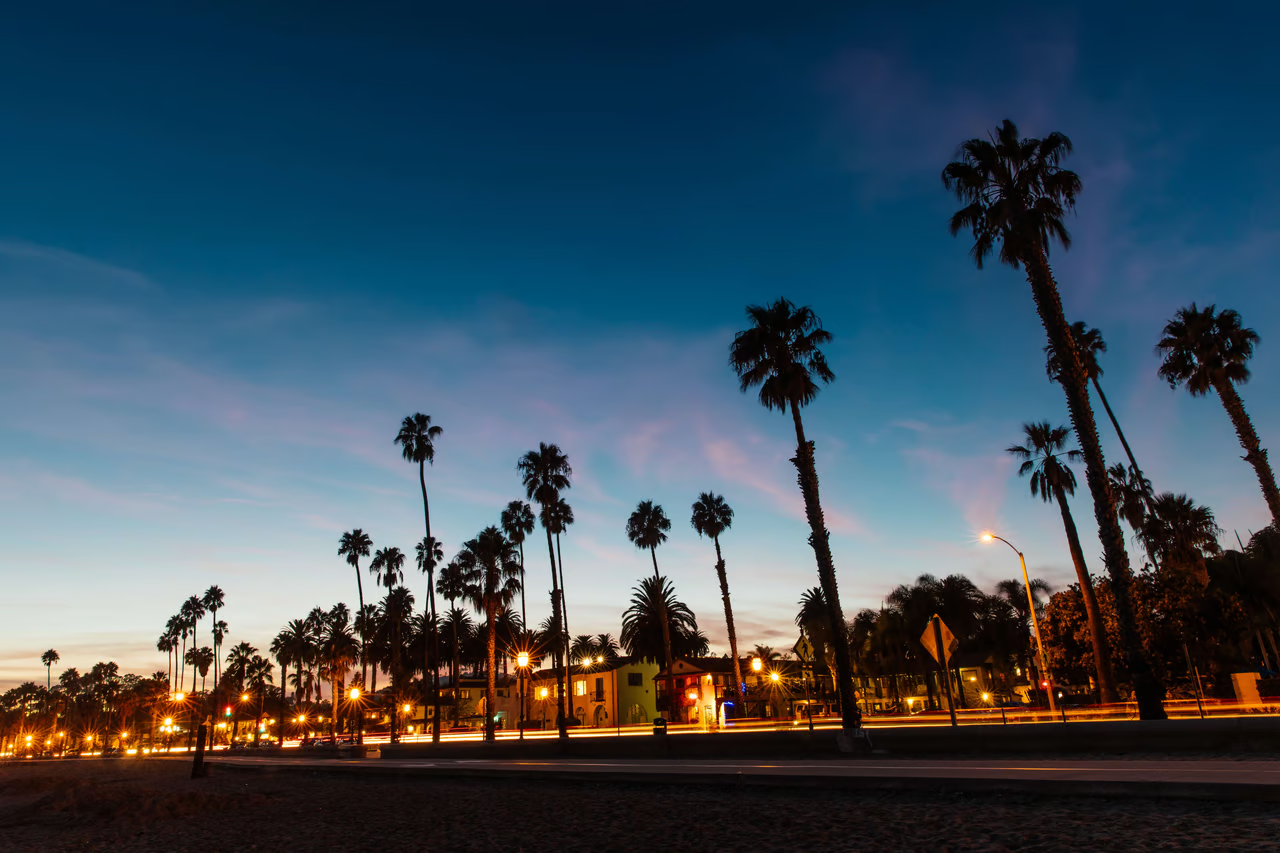
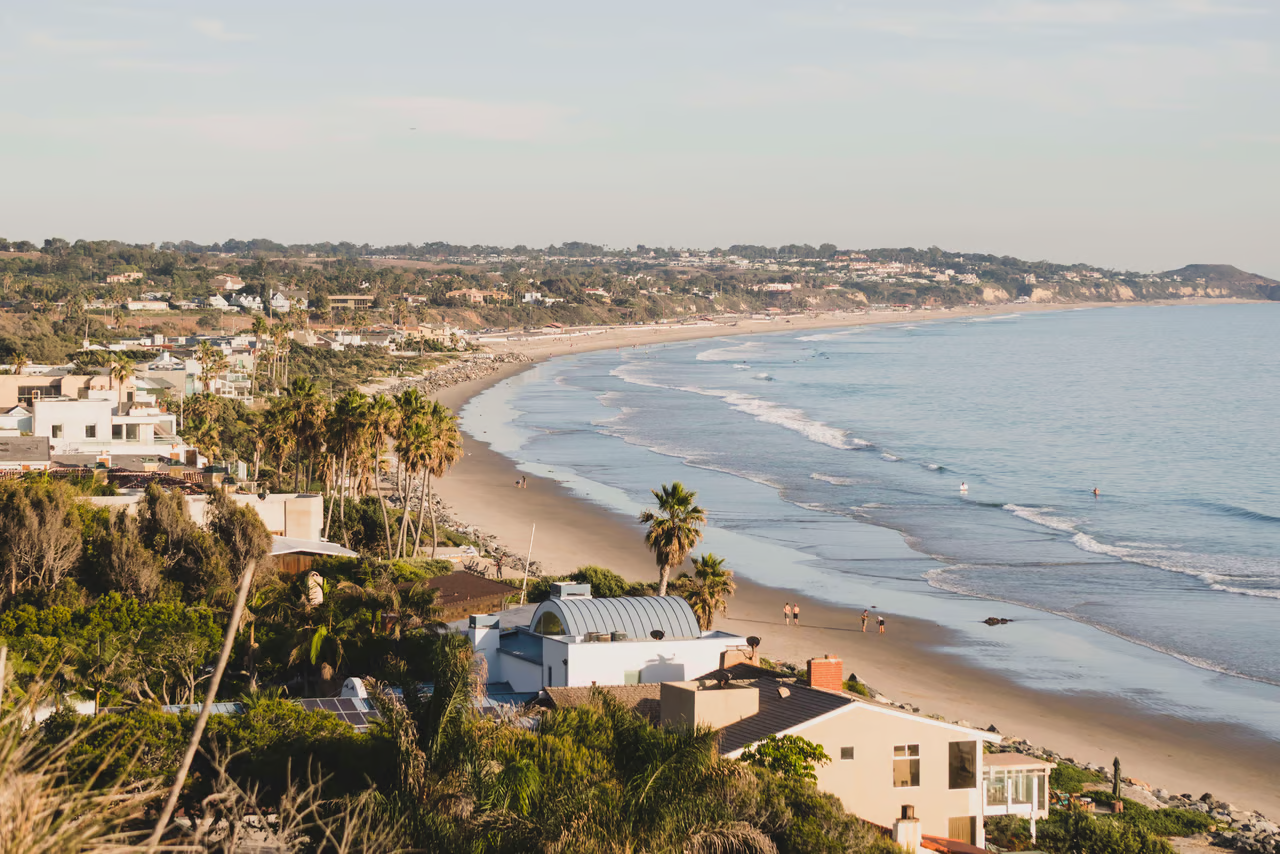
Six markets, one coast
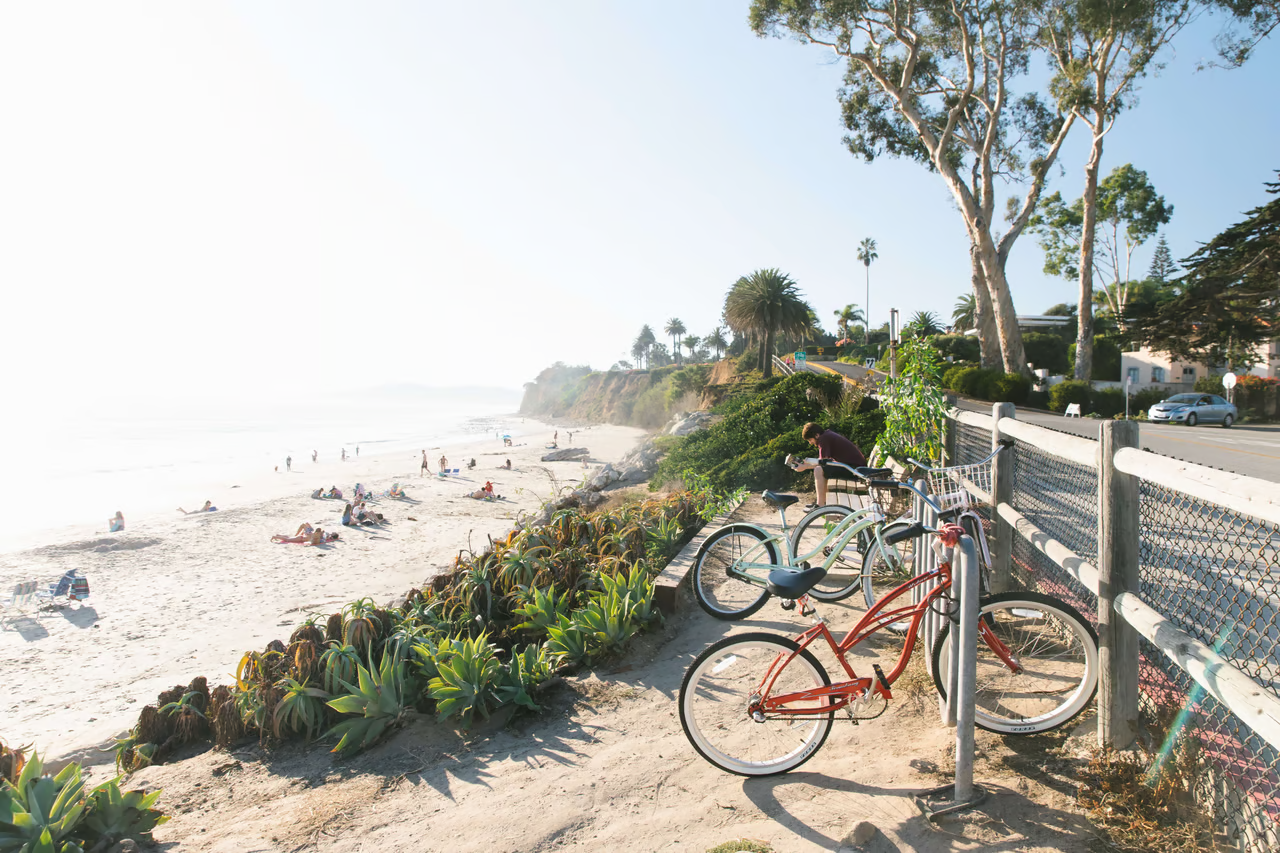
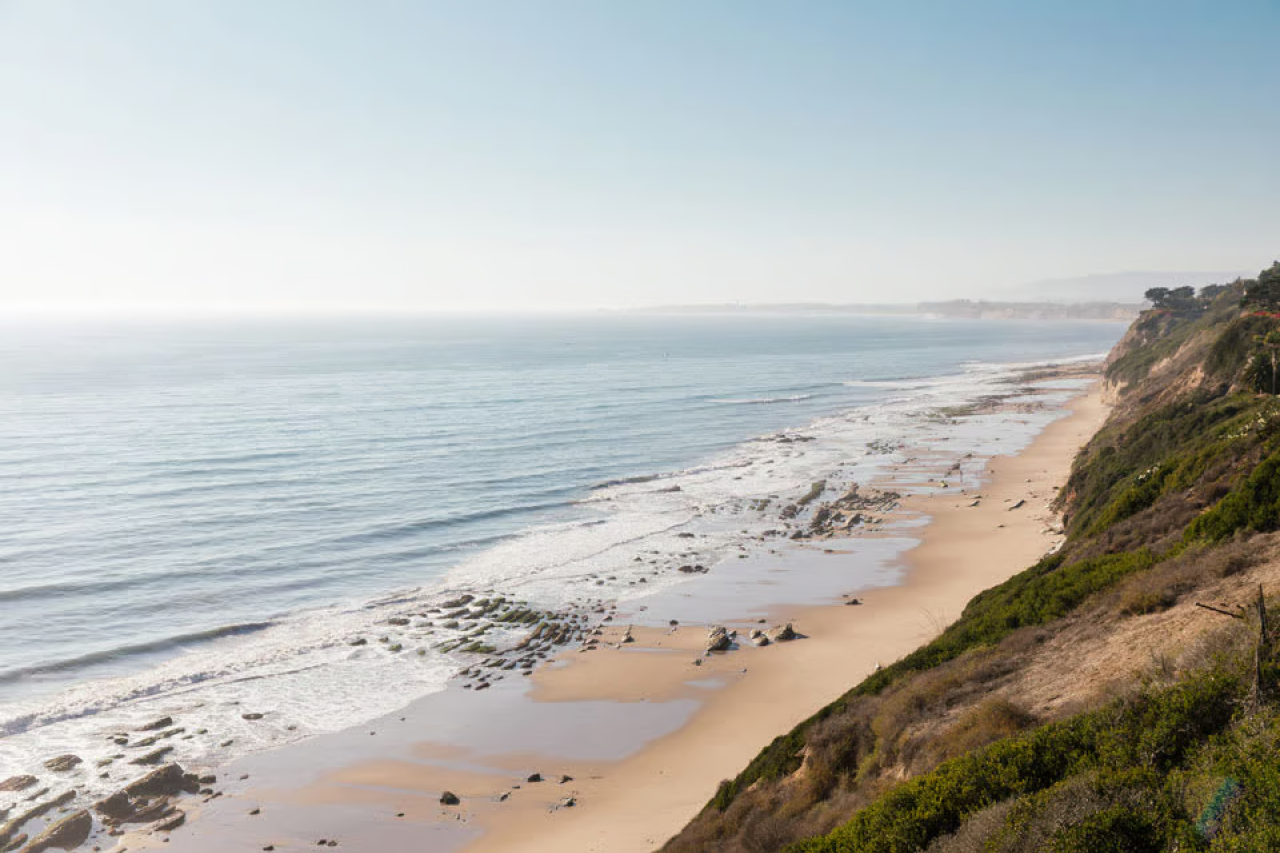
South Coast market questions, answered
Is the Santa Barbara housing market going up or down?
The headline median is -3.7% year-over-year, but the Core median — stripped of distorting sales — tells a steadier story. [Read more →]
Why is the Santa Barbara median so volatile?
Because a few large sales move a small market's median sharply; the Core median is the more honest read. [Read more →]
What's the difference between the South Coast neighborhoods?
They differ by millions in price and clear at different speeds — the lower bands fastest, the upper bands slowest. [Compare all areas →]
Download Santa Barbara Real Estate Market Report
Work With Alexander
Ready to understand your next move?
Request a private consultation with Alexander Stoeber to discuss the market, the property, and the decision in front of you.
COMPASS
Alexander Stoeber is a Santa Barbara real estate advisor with Compass, helping owners and buyers understand the market, the parcel, and the decision before they move.
Address
801 Chapala St, Santa Barbara, CA 93101
Alexander Stoeber
(805) 568-7889
Subscribe to Our Newsletter
Let's Connect

Experience Life By Design
Copyright ©2024|Privacy Policy
Real Estate Website Design by Luxury Presence
All information is deemed reliable but not guaranteed and should be independently reviewed and verified.
