
Santa Barbara's Housing Showdown
A Field Guide to the Species of Santa Barbara's Housing Habitat
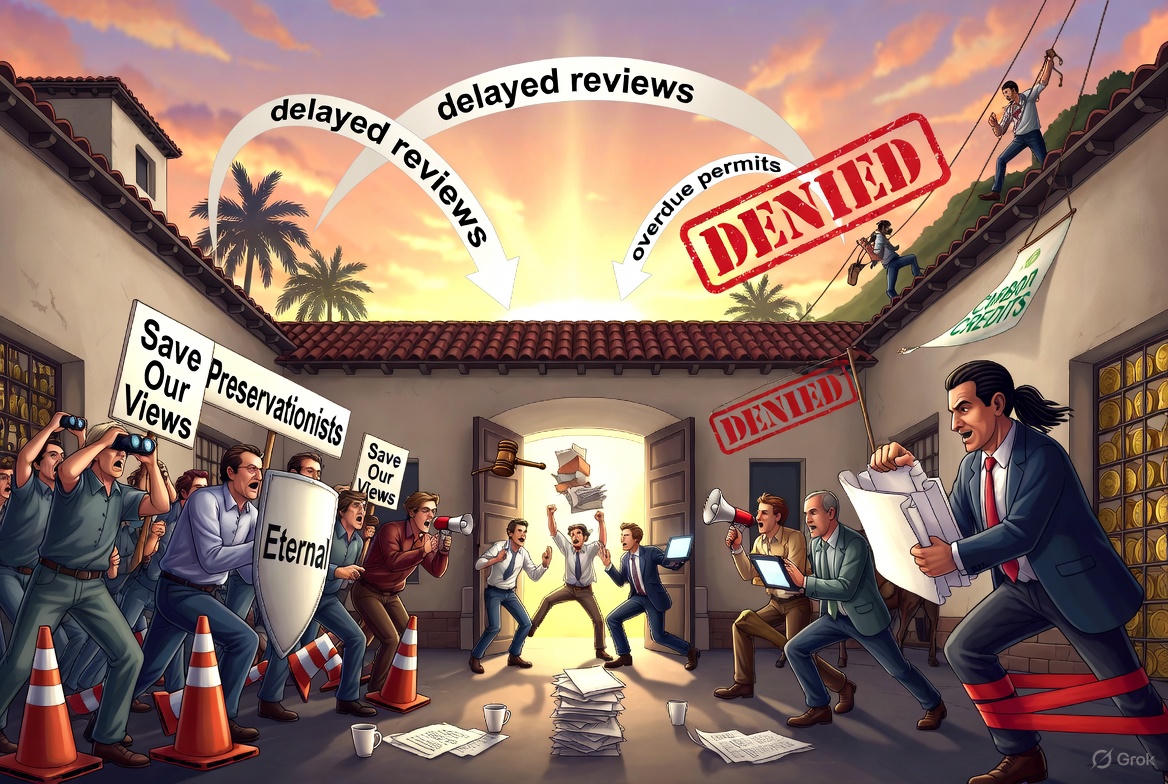
In the serene yet contested ecosystem of Santa Barbara's civic chambers—whether at City Hall or streaming online—observers may encounter a diverse array of species engaged in the intricate ritual of housing policy debate. These archetypes, observed across council meetings and planning sessions, represent the ongoing tension between preservation and growth. Each displays distinctive behaviors, often forming unlikely alliances or territorial displays, particularly around projects like the controversial eight-story proposal near the historic Old Mission Santa Barbara, rent stabilization deliberations slated for January 13, 2026, or the short-term rental ordinance progressing toward a February 19 review. Amid these, passions flare with fervent defenses of affordability, public safety from noise and disruptions, State Street's commercial vitality, the local tourism-driven economy, fiscal prudence in the face of multi-million-dollar deficits, and infrastructure strains from traffic to wildfire risks—all while highlighting the near-impossible task of appeasing one group without ruffling the feathers of the others in this delicate balance.
The Eternal Preservationists
These vigilant residents, frequently spotted in historic districts, emit calls of concern over heightened

traffic flows, strained water resources during drought periods, and elevated wildfire evacuation risks. They deploy tools such as CEQA appeals to maintain the existing landscape, as seen in the fervent opposition to the eight-story tower near the Mission, where they passionately guard against what they see as "desecration" of views and small-town serenity. Yet, in their zealous protection of the status quo, they inadvertently complicate affordability for newcomers, making the dance of satisfying their love for unspoiled vistas while addressing economic pressures and housing shortages a comically elusive waltz—one where every step toward preservation risks tripping over the broader community's need for accessible homes without igniting fiscal fires.
The Free-Market Builders
These dynamic players in the development food chain arrive with blueprints and economic projections,

advocating for streamlined approvals and market-driven supply increases under mechanisms like the builder's remedy. Often aligned with commercial interests, they argue that greater density stimulates jobs and vitality, occasionally partnering with unexpected allies to bypass regulatory barriers, as evidenced in recent proposals for mixed-use projects in the Funk Zone or Goleta. With a passionate flair for "stacking 'em high" to fuel the tourism economy, they promise abundance, but the humor arises in the difficulty of keeping them content amid pushback on scale and safety—where their bold charges toward growth often collide with infrastructure limits, leaving observers to chuckle at the irony of market freedom entangled in endless debates over traffic jams and budget strains that no amount of profit projections can fully untangle.
The Equity Advocates
Found in non-profit habitats, these collaborative activists focus on expanding access for lower-income and special-needs populations through innovative financing and affordable unit mandates, such as

those in the Housing Trust Fund's 3D-printed pilots or deed-restricted developments. They champion tools like revolving loan funds and workforce buyer programs, forming symbiotic relationships with builders to advance supply-side solutions, even as they navigate the cross-aisle humor of "progressive" alliances with conservative developers. Passionate about bridging the affordability gap in a city where medians hover at $1.8 million, they dance with fervor for social justice, yet the clever twist lies in the challenge of fulfillment—their calls for more units to ease mental health strains from displacement often meet delays from environmental reviews, creating a satirical loop where equity gains bump against fiscal realities and public safety concerns, making true satisfaction as tricky as herding disparate allies without stepping on economic toes.
The Pragmatic Balancers
These adaptable figures often perched at the dais navigate fiscal constraints and public input,
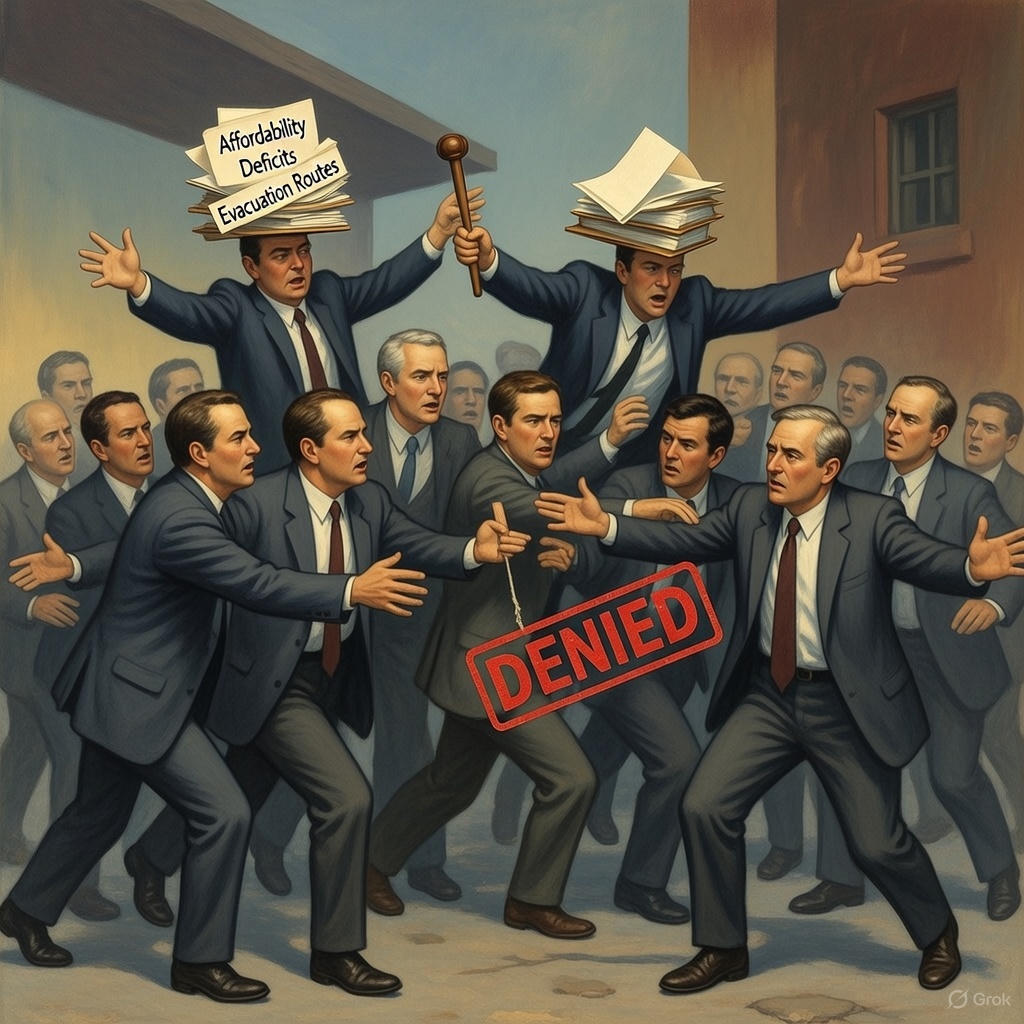
approving modest infill while cautioning against projects they deem overly disruptive, such as the "horrendous nightmare" of large-scale builds that could overwhelm evacuation routes or budgets. They exhibit caution toward intrusions in sensitive areas while seeking equilibrium between affordability needs and infrastructure limits, as in the ongoing rent stabilization talks aiming for a temporary moratorium by mid-January 2026. With a passionate commitment to measured steps, the satire emerges in their perpetual juggling act—trying to placate growth advocates with supply nods while soothing preservationists on fire hazards, only to find that pleasing one side's economic vitality dreams often inflates deficits or strains State Street's charm, turning the quest for balance into a humorous high-wire routine where every compromise risks a slip into discontent from all quarters.
The Eco-Guardians
Blending environmental vigilance with growth skepticism, these residents highlight impacts from sea-

level rise projections of 0.8-2.5 feet by 2050, habitat disruption, and fire-prone terrains exacerbated by unchecked expansion. They patrol against such developments, prioritizing resilient designs and unfunded mandates that could heighten vulnerabilities, frequently observed in coastal or foothill zones amid debates over short-term rentals' effects on long-term housing stock. Passionate about safeguarding butterflies and beaches alike, their fervent warnings add a layer of clever irony—their noble stand for sustainability often delays projects that could bolster affordability and public safety, creating a satirical predicament where protecting the environment from overdevelopment inadvertently amplifies economic pressures and infrastructure woes, making it devilishly hard to keep them smiling without compromising the very ecosystem they cherish.
The Workforce Commuters
These ground-level residents, often displaced to outlying areas due to high costs, vocalize the daily

burdens of long commutes and unattainable local residency amid rising insurance and utility hikes. They support practical additions like ADUs and middle-income projects, aligning with broader calls for units that allow essential workers—teachers, nurses, and service staff—to remain in the ecosystem without exacerbating mental health or drug-related safety issues from instability. With passionate pleas for "live where you work" equity, the humor unfolds in the difficulty of resolution—their push for supply to vitalize the local economy clashes with preservationist fears of traffic overloads, turning the dance into a comedic conundrum where satisfying their needs risks fiscal overstretch and infrastructure strains, leaving them perpetually one step behind in the pursuit of a balanced habitat.
Observing the Impacts: Levers for Market Crash or Soar
As these species interact in Santa Barbara's housing habitat—a market characterized by resilient yet segmented trends, with median home values around $2.3 million showing modest 2-4% growth projections for 2026 amid rising inventory and sales volumes—their advocacy shapes pivotal levers that can tip the scales toward a market crash (sharp price declines, economic stagnation) or soar (rapid appreciation, vitality surges).
The Eternal Preservationists, for instance, often champion regulatory hurdles like stringent zoning and CEQA appeals, which could crash supply and affordability if overapplied, exacerbating deficits and infrastructure neglect; conversely, if balanced with targeted approvals, they might prevent overdevelopment bubbles that lead to unsustainable soars.
The Free-Market Builders push for streamlined permitting and density bonuses, potentially soaring the economy through job creation and tourism influx, but risking crashes from unchecked growth straining water and fire safety resources.
Equity Advocates focus on mandates for affordable units and subsidies, fostering soars in inclusive access while highlighting satirical challenges in delays that could crash progress on mental health and public safety fronts.
Pragmatic Balancers mediate interest rate influences and fiscal policies, aiming for steady soars via balanced budgets but facing humorous high-wire acts where inaction on carrying costs like utilities might precipitate crashes in workforce retention.
Eco-Guardians advocate for environmental regulations and resilient mandates, which could soar long-term sustainability if funded properly, yet their ironic unfunded pushes often delay supply, inviting crashes in affordability.
Workforce Commuters rally for practical infill like ADUs, driving soars in local economy vitality but clashing comically with migration dynamics that overload infrastructure.
Finally, Cross-Spectrum Hybrids blend these efforts, illuminating why these profiles matter: their fluid alliances on levers like tenant safeguards and sentiment-shaping media narratives determine whether the habitat thrives in equilibrium or veers into extremes, where a soar for one group's priorities might spell a crash for another's, underscoring the ecosystem's interconnected fragility and the need for collaborative adaptations to navigate 2026's unfolding trends.